Since 1973: Over 50 Years of Impact
The Voice of
Cohesion
“The umbrella body of all Muslim organizations, societies, Mosque committees and groups in Kenya.”
Our Origin Story
The Supreme Council of Kenya Muslims (SUPKEM) was established in 1973 during a landmark General Conference held at Qur'an House on Mfangano Street in Nairobi.
It was born out of a collective need to unify and coordinate the efforts of Kenya's diverse Muslim organizations, mosques, societies and community groups under one umbrella body. At a time when the Muslim community faced marginalization and lacked a structured platform for representation, SUPKEM emerged and continues to act as a voice of leadership, advocacy, and social development.
1973
Established
47
Counties
Our Purpose
Strategic Leadership
Mandated by its constitution, SUPKEM is structured to represent the interests of Muslims nationally, promote Islamic values, and support the aspirations of its member organizations.
National Representation
Acting as the primary structured platform for Muslim representation to the Government and international partners.
Social Development
Actively involved in humanitarian response, health initiatives, and civic education across all 47 counties.
Justice & Advocacy
Advocating for the rights of the Muslim community while promoting interfaith harmony and peaceful coexistence.
Strategic
Engagement
We engage stakeholders through dialogue, partnerships, advocacy, empowerment, and collaboration to advance justice, peace, and development.
Faith-Centered Dialogue
Open, inclusive approaches to promote mutual understanding and resolve conflicts within and beyond the community.
Strategic Partnerships
Building alliances to mobilize resources, unify efforts, and co-create solutions for humanity.
Community Empowerment
Influencing policy actions through education and capacity building to drive positive change.
Commitment to Unity
“Through its enduring commitment to unity, justice and service, SUPKEM continues to provide moral and spiritual leadership while empowering communities across Kenya to confront challenges and pursue meaningful change for posterity.”
The Supreme Council
Of Kenya Muslims
A Legacy of Service
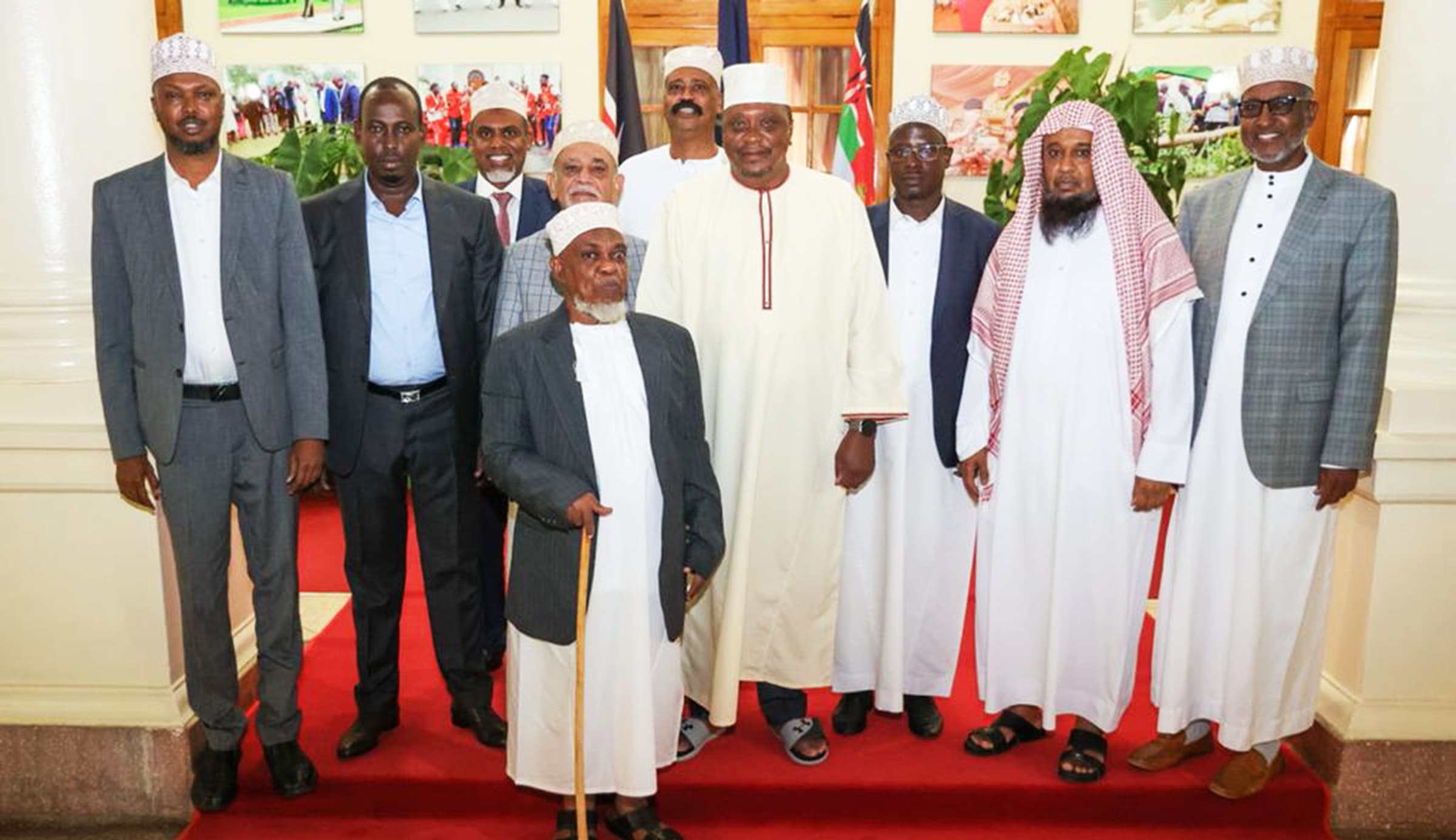
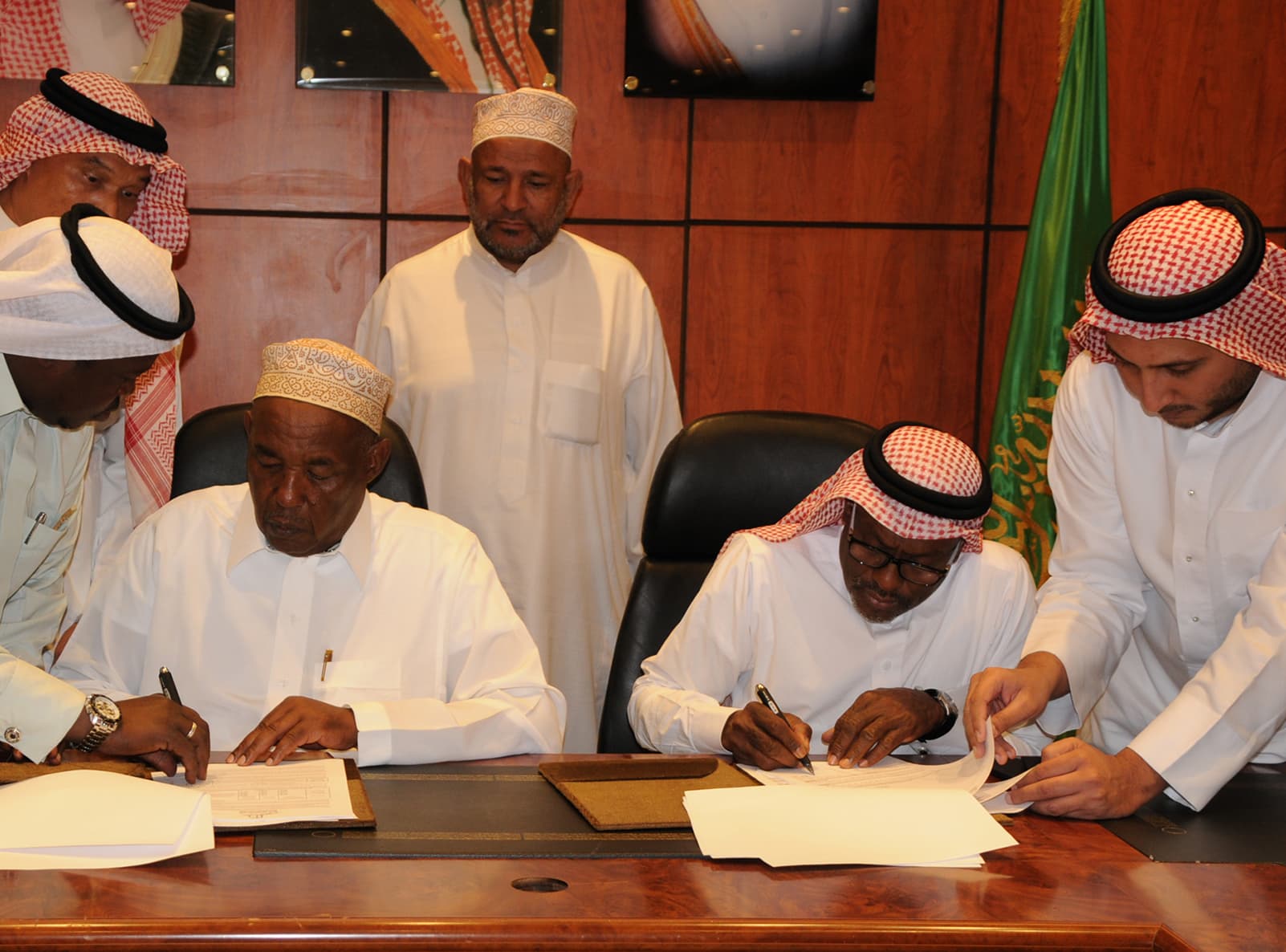
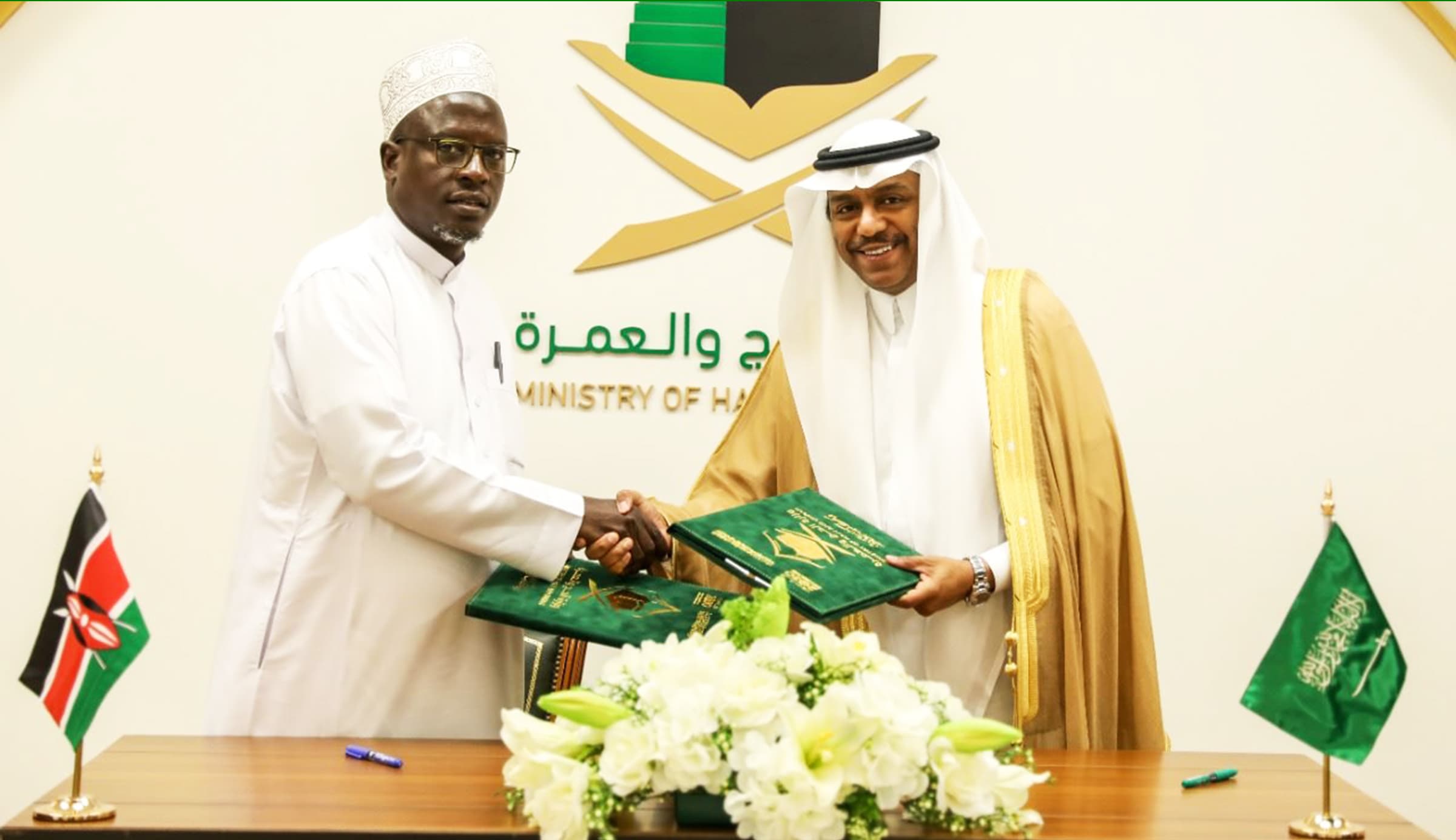
Impact Visuals
Documenting our commitment to the community through leadership, dialogue, and grassroots initiatives across decades.
Community Leadership
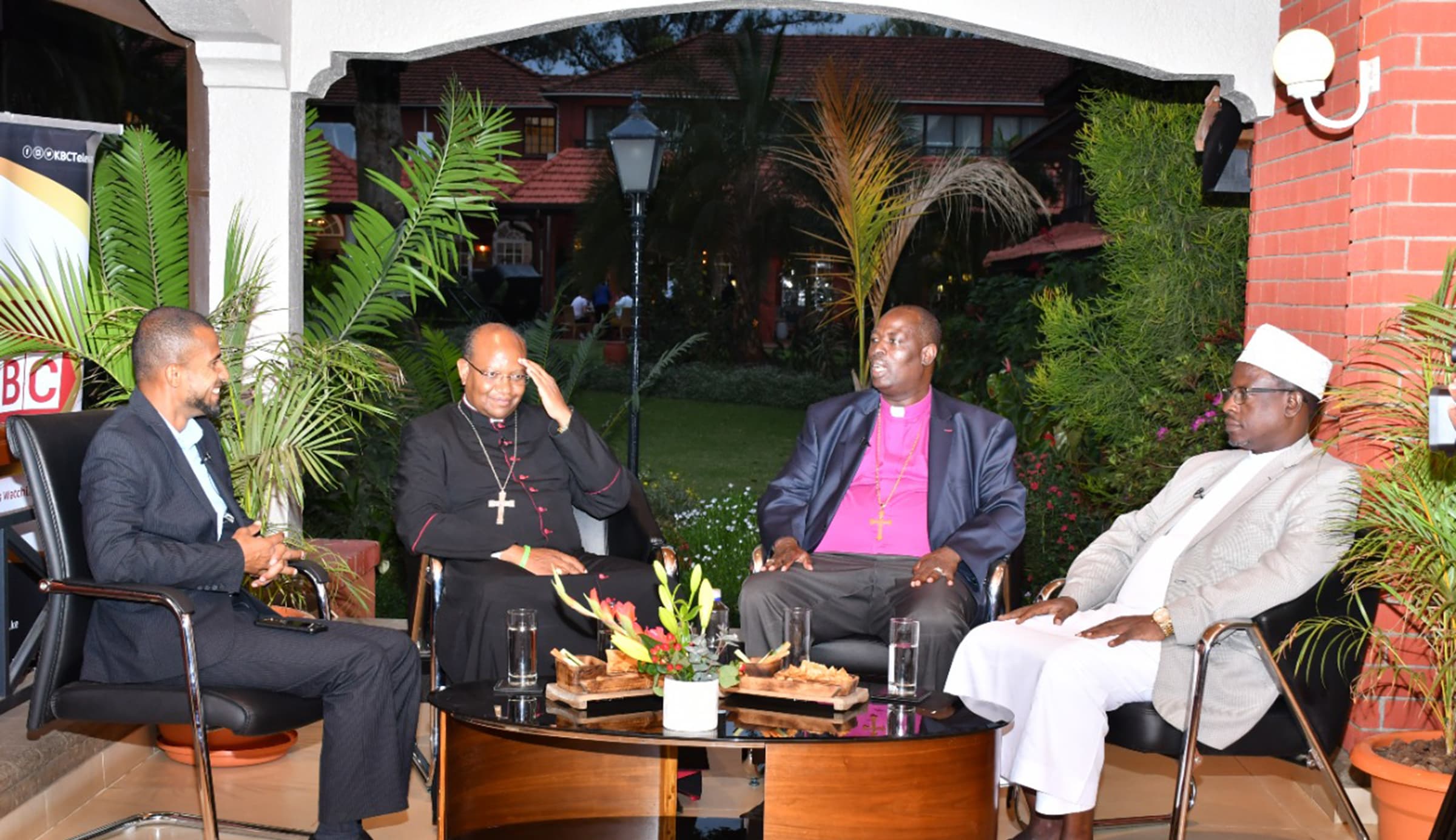
Interfaith Dialogue
Youth Empowerment
Historical Heritage
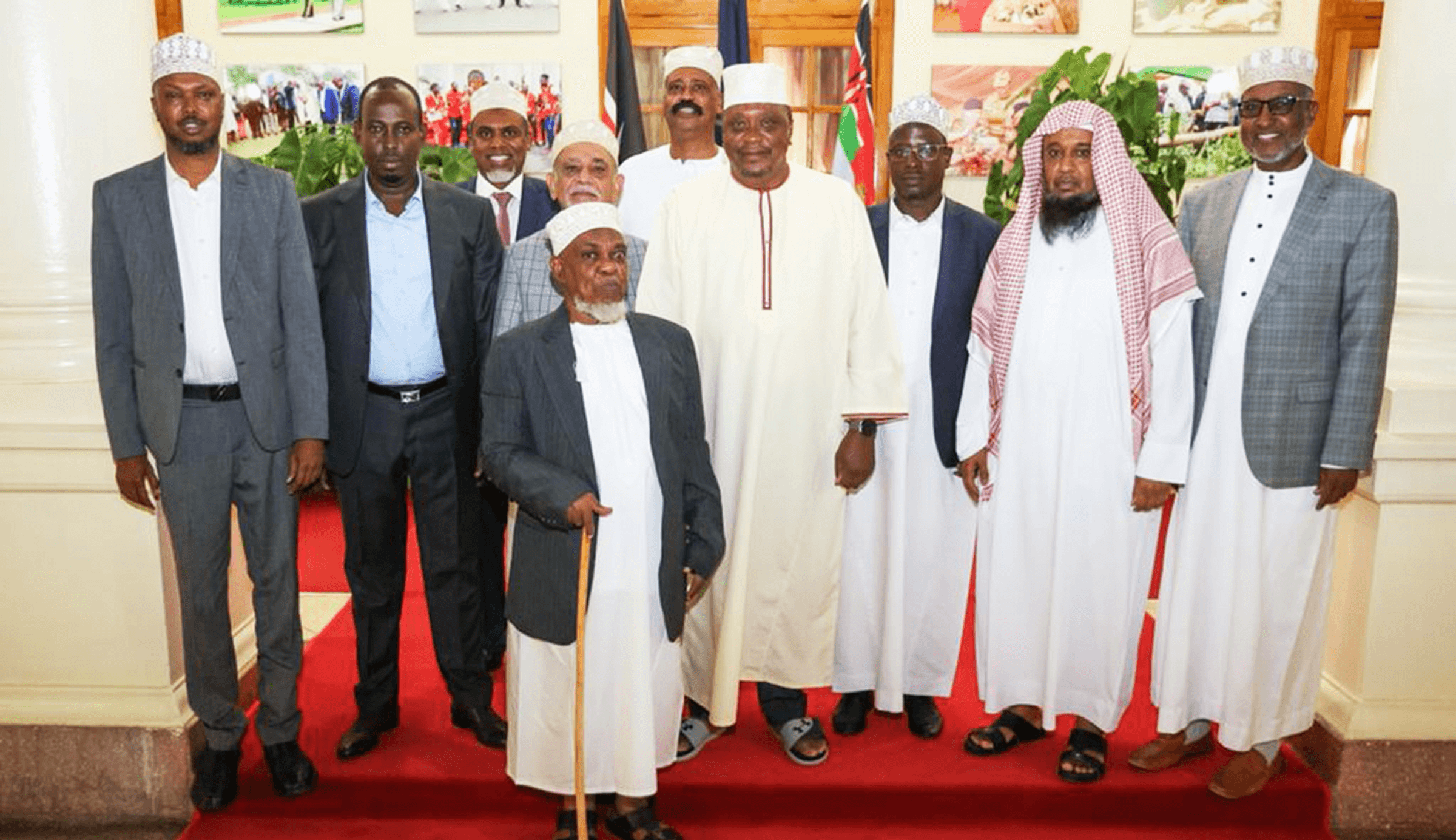
Advocacy Programs
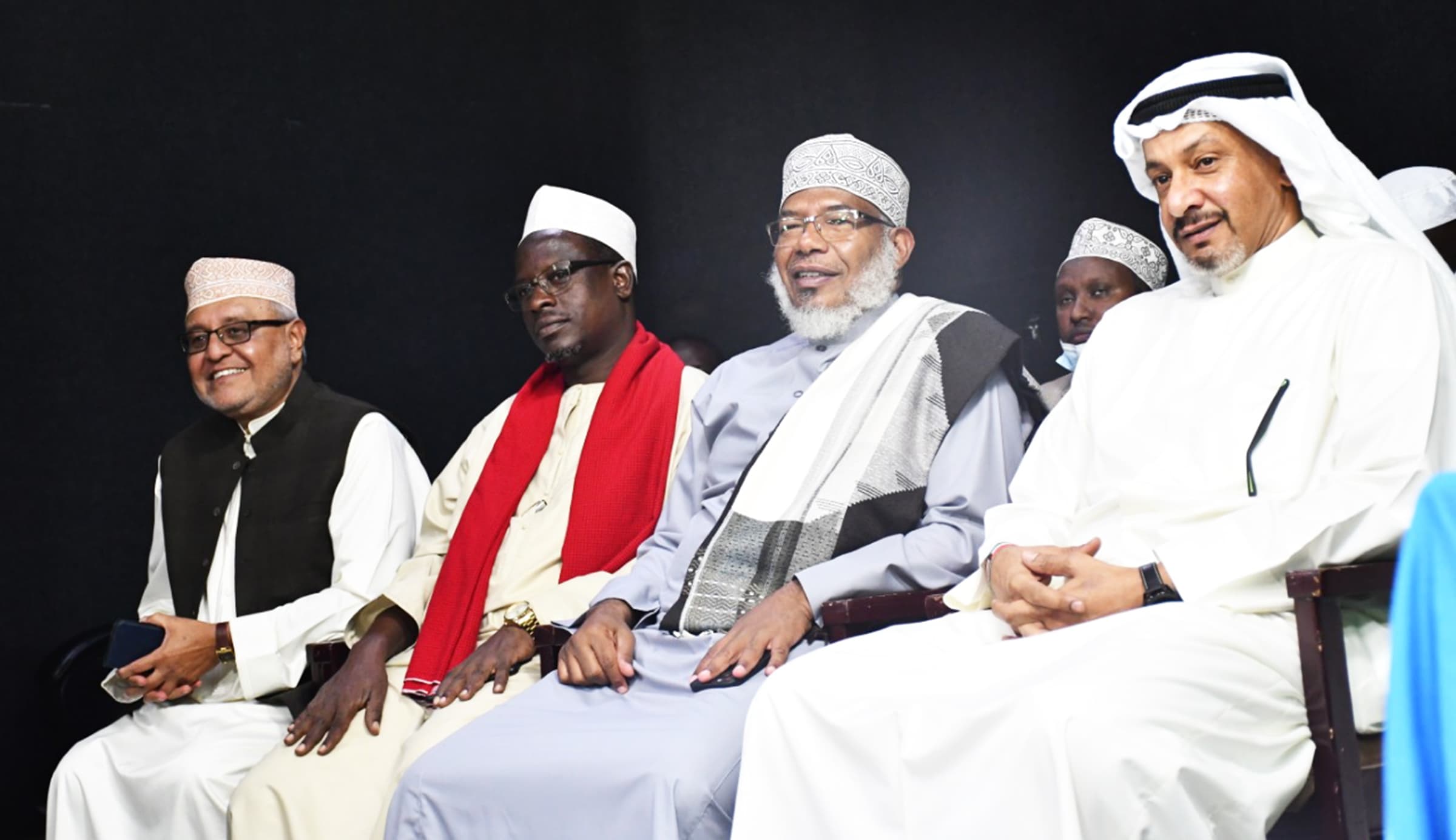
Faith & Unity